Vital Factors for Building an Effective Professional Audio Management Setup
Wiki Article
Developing an efficient business audio delivery system is vital for any organization that leans on sound to elevate the consumer experience. This system empowers organizations to transmit music, announcements, and other audio content to different areas within a facility. Key elements in creating a effective audio distribution system include an grasp of sound quality, optimal equipment selection, well-planned layout planning, and ongoing maintenance practices. These aspects work together to guarantee that the audio system fulfills the unique needs of the space and the audience.
Sound quality is one of the most vital foundations of an audio transmission system. Clear sound optimizes the listening experience for audiences and can establish a welcoming atmosphere. Considerations such as audio drivers, audio boosters, and audio design all play a role in delivering clear and balanced sound. Businesses should consider investing in industry-standard speakers that are optimized for their location. For example, landscaped areas might utilize climate-proof speakers, while indoor areas may take advantage of multi-speaker setups. Verifying that all components are suitable and properly integrated is crucial for reliable performance.
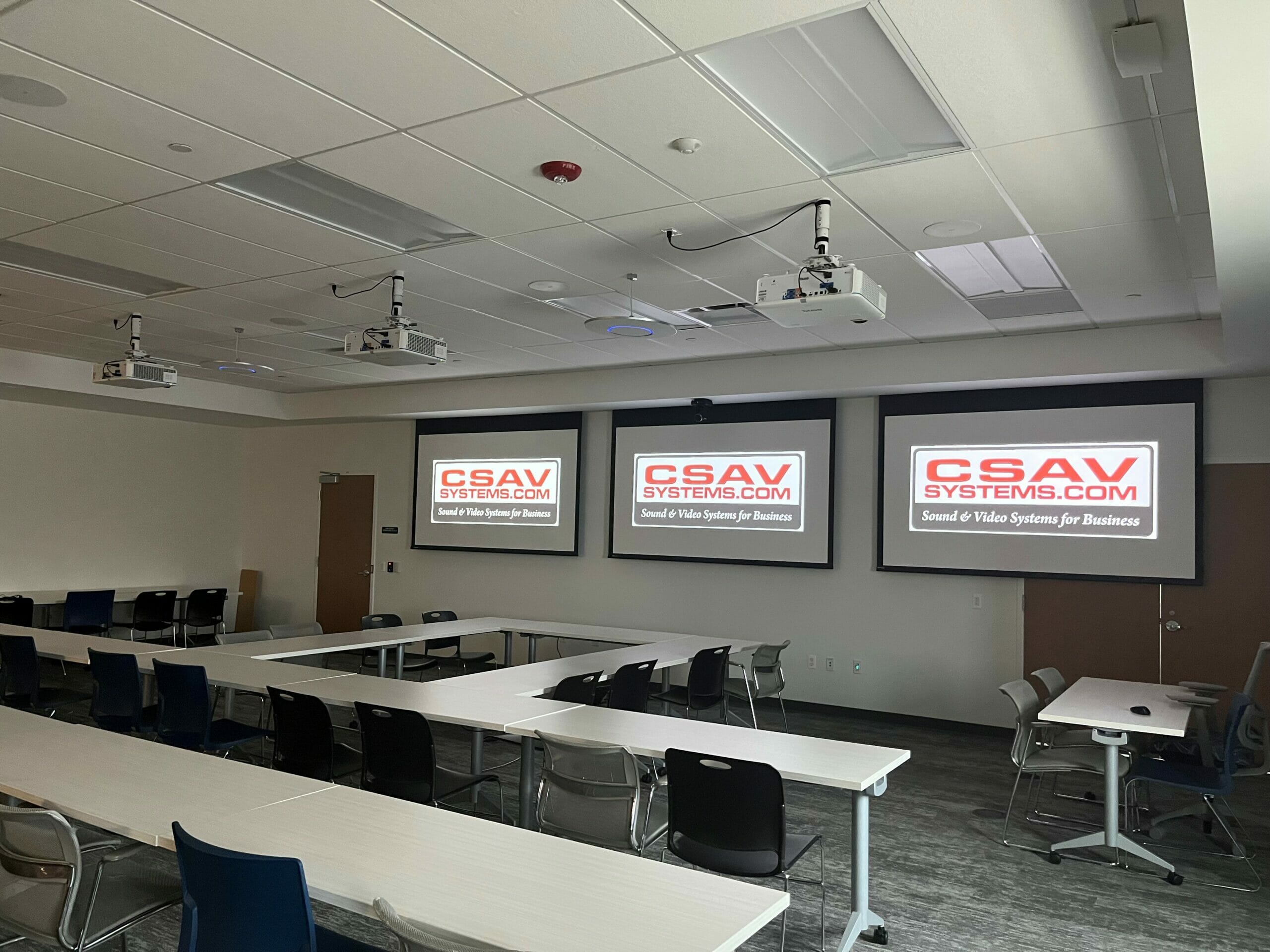
The selection of audio systems has a significant influence in the performance of the sound system. find out this here This covers sourcing the right mixing consoles, amplifiers, and playback units. Businesses should evaluate their defined audio demands before finalizing investments. For instance, a commercial space might demand different systems than a hospitality space or conference center. Additionally, embracing digital technology can expand functionality. Sound networks that offer off-site management or pairing with smartphones can ensure efficiency in controlling audio streams and volume levels throughout separate sections.
Organizing the configuration of the audio broadcast system is another key component. A professionally structured design guarantees that sound is smoothly spread across all locations without any quiet zones or echo in certain areas. This involves precise alignment of speakers and consideration of how sound propagates in each area. Variables such as capacity, shape, and interior design can impact sound behavior. Conducting an sound assessment can guide locate the most suitable locations for speakers to ensure balanced sound projection throughout the premises.
Lastly, regular servicing is essential to sustain an audio sound system working smoothly. System upkeep entails periodic testing on systems reliability, addressing any problems quickly, and refreshing digital controls when needed. Coaching staff on how to use the system correctly can also avoid system failures and visit their website maximize the operational life of the technology. By implementing ongoing service, enterprises can preserve superior audio experience and eliminate technical issues that could reduce the user impression.
Ultimately, implementing an well-functioning enterprise audio sound system entails careful planning of acoustics, system setup, system mapping, and continuous servicing. When these factors are handled strategically, businesses can enrich their space with exceptional audio experiences for their visitors. Committing to a high-performing audio system not only optimizes message delivery but also creates a welcoming atmosphere that can improve audience engagement.